Master-Planned Atlantic Coast City
Welcome to Palm Coast, a master-planned Flagler County city on Florida's Atlantic coast between St. Augustine and Daytona Beach, threaded by miles of freshwater canals.
Palm Coast is a city in Flagler County, Florida, on the Atlantic coast between St. Augustine to the north and Daytona Beach to the south. It is the largest city in Flagler County, while Bunnell serves as the county seat. The city traces its origins to 1969, when ITT Community Development Corporation acquired roughly 42,000 acres of largely undeveloped land and set out to build a master-planned community of some 48,000 home sites. The original plan called for paved streets, central water and sewer service, and an engineered system of roughly 46 miles of freshwater canals designed to manage drainage and give many lots water access. That planned origin still shapes the city's character. Palm Coast is laid out in a distinctive pattern of lettered sections tied to street names, which residents still use to describe where they live. Named communities such as Indian Trails and Pine Lakes sit within this grid, and the coastal Hammock area holds gated, golf, and resort-style developments. A mix of freshwater canals inland and saltwater canals along the Intracoastal Waterway means waterfront living is common here. Palm Coast functions largely as a residential and bedroom community. It lies about 25 miles south of St. Augustine and about 30 miles north of Daytona Beach, and Interstate 95 runs along its western edge, putting those job centers within a straightforward commute. Some residents also travel farther to Jacksonville, about 62 miles north, or Orlando, about 86 miles southwest. With a population of roughly 100,000, Palm Coast has grown well beyond its early days as a planned retirement and second-home community into a full-service city with its own schools, hospital, and commercial centers. The natural setting is a defining feature of daily life. Washington Oaks Gardens State Park, just north of the city, pairs formal gardens with Atlantic beachfront, while Flagler Beach offers a classic small-town beach atmosphere a short drive east. An expanding network of multi-use trails, community parks, and boating access on the Intracoastal Waterway gives residents year-round outdoor options, and golf remains a signature pastime in the Hammock area's resort communities.
Palm Coast is in Flagler County, Florida, on the state's northeast Atlantic coast. It is the largest city in Flagler County, while the nearby city of Bunnell serves as the county seat. Flagler County sits between St. Johns County to the north and Volusia County to the south, and Palm Coast is its primary population and commercial center.
Palm Coast is served by Flagler Schools, the Flagler County public school district. The district operates roughly 13 schools serving about 13,500 students. Palm Coast's two main public high schools are Flagler Palm Coast High School and Matanzas High School, both located within the city, along with several elementary and middle schools.
Palm Coast sits roughly midway between the two cities along Interstate 95. Daytona Beach is about 30 miles to the south and St. Augustine is about 25 miles to the north. Jacksonville is about 62 miles north, and Orlando is about 86 miles southwest, which makes Palm Coast a bedroom community for commuters to several regional job centers.
Palm Coast is known as a master-planned community developed by ITT beginning in 1969, laid out around roughly 46 miles of freshwater canals. Its neighborhoods are organized by lettered sections, and the city is recognized for its canal-front living, coastal proximity to Flagler Beach and Washington Oaks Gardens State Park, and resort-style golf communities in the Hammock area.
Palm Coast itself sits slightly inland of the Atlantic, but ocean beaches are immediately accessible. Flagler Beach lies just east of the city along State Road A1A and offers a classic beach-town atmosphere, while the Hammock area and Washington Oaks Gardens State Park provide additional beachfront access within a short drive.
Palm Coast had a population of 89,258 in the 2020 U.S. Census, with later estimates placing it near 100,000 residents. It is the largest city in Flagler County and has grown substantially since its founding as a planned community in 1969.
City Guide
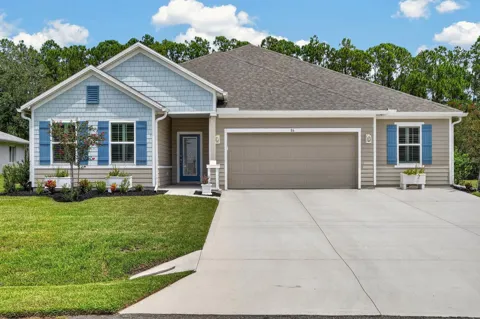
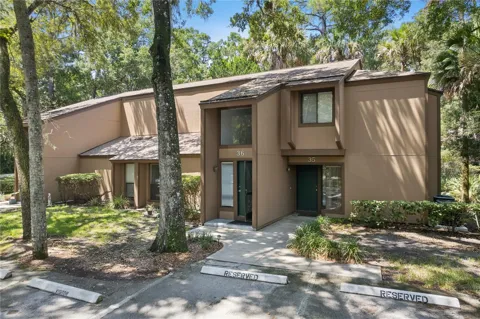
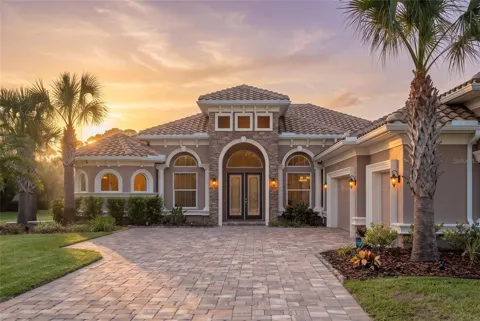
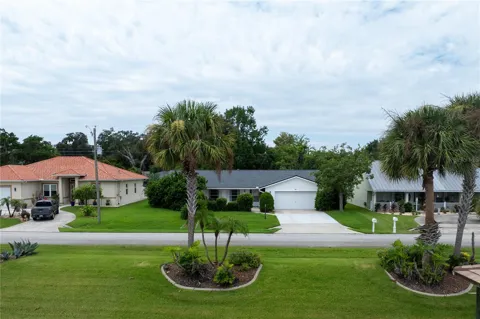
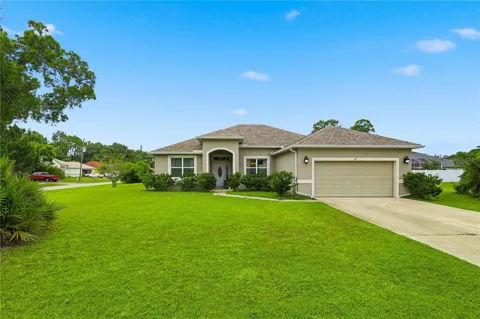
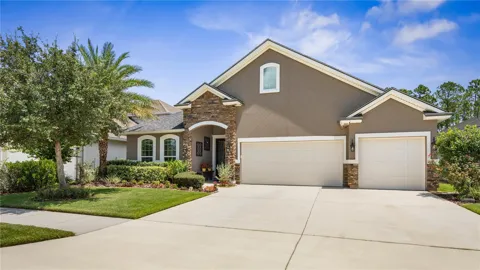
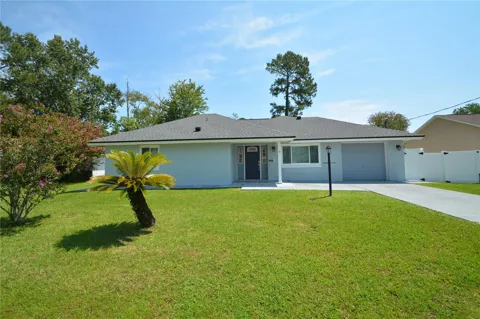
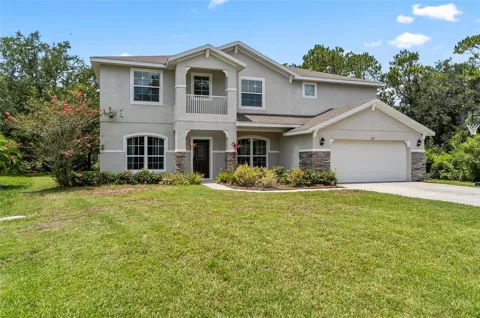
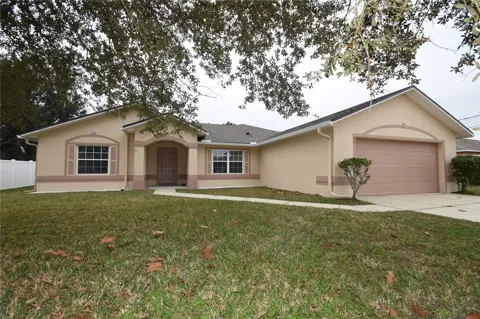
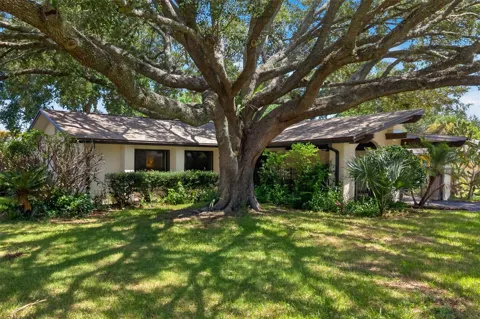
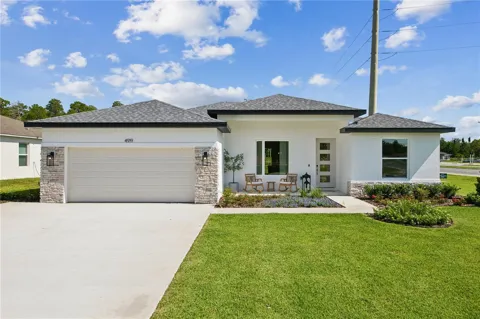
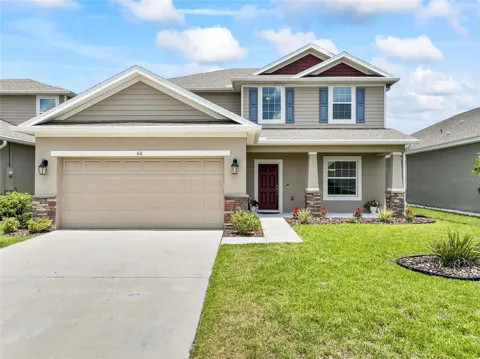
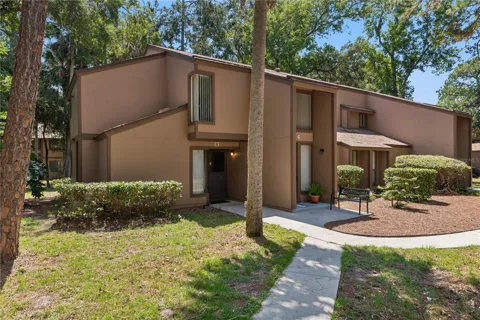
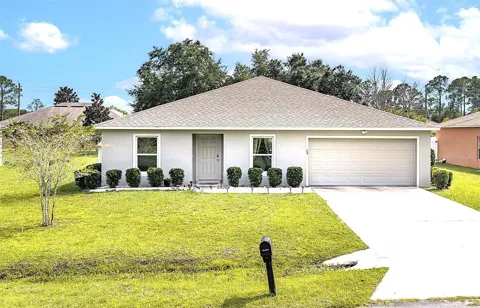
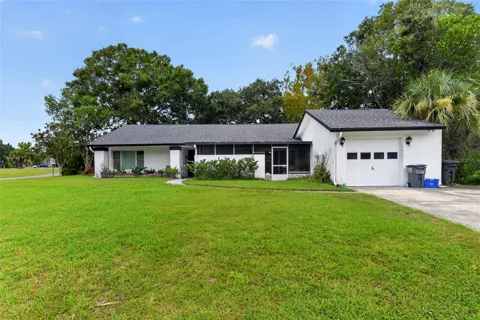
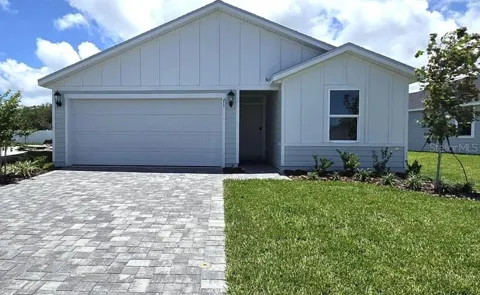
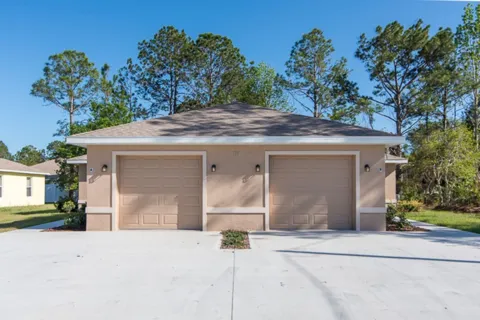
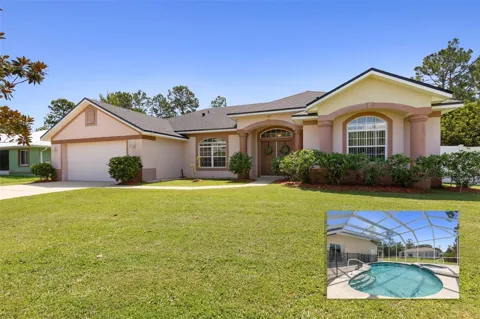
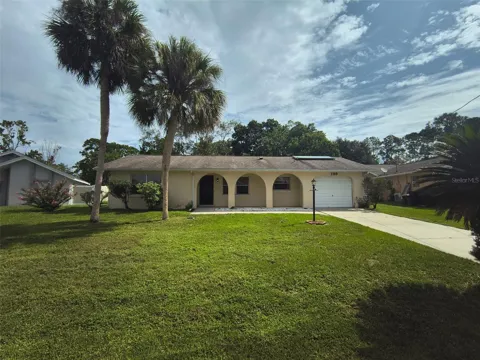
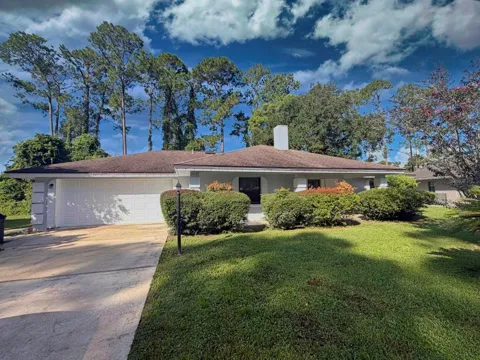
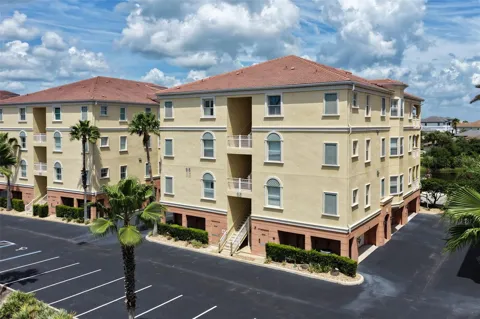
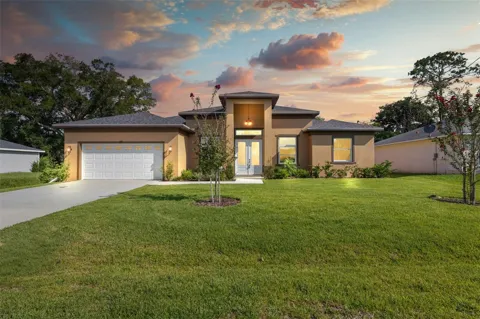
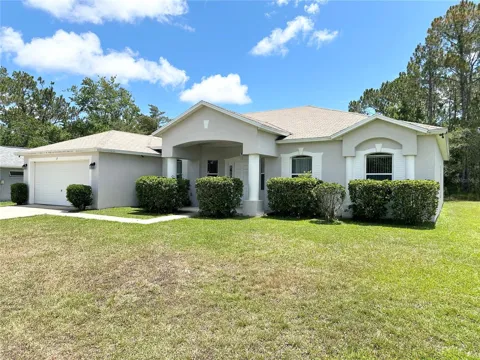
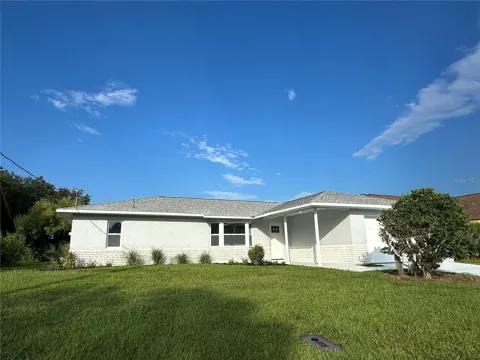
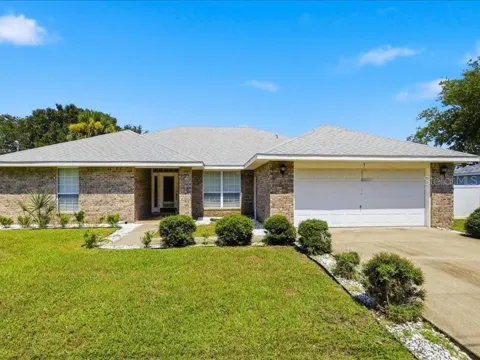
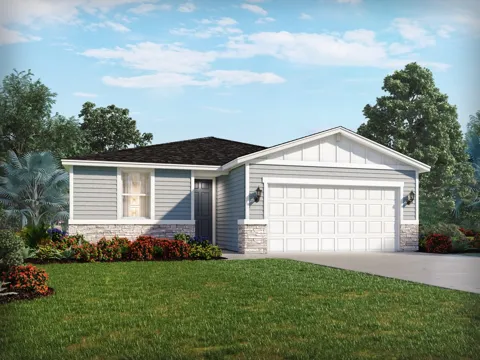
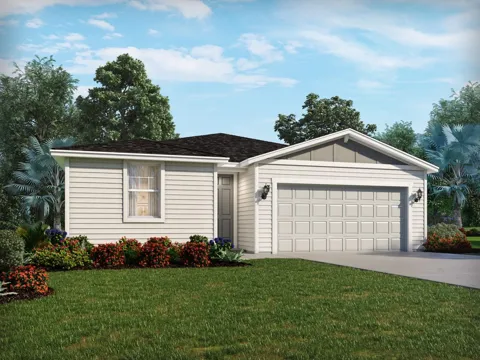
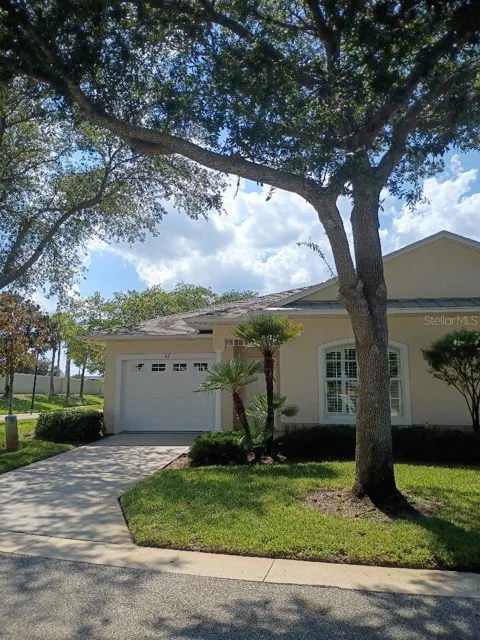
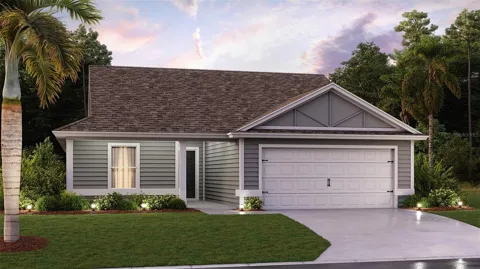
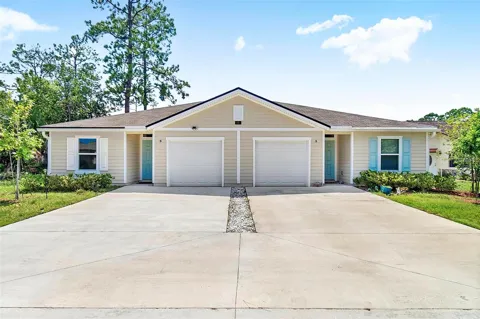
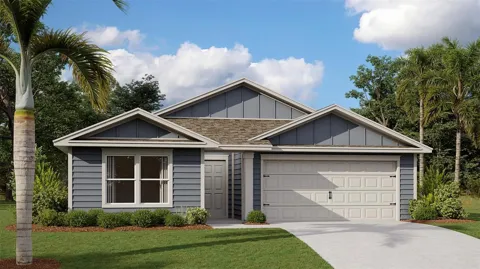
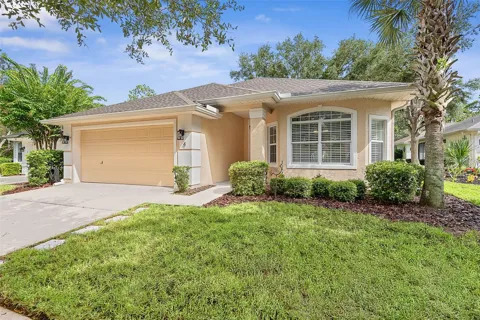
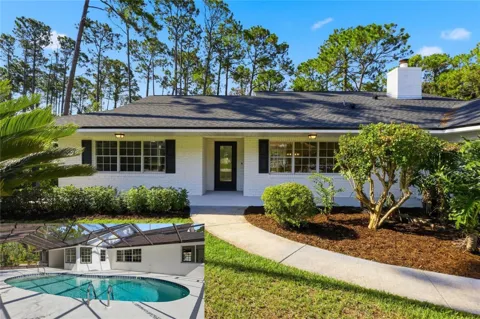
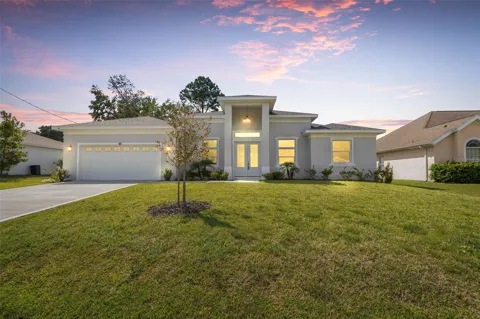
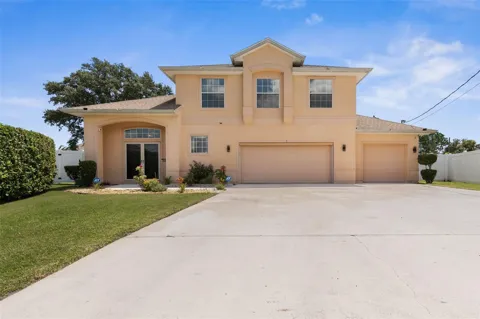
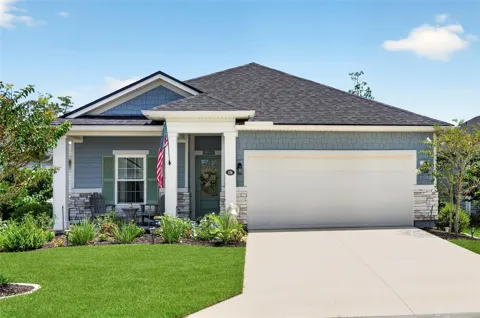
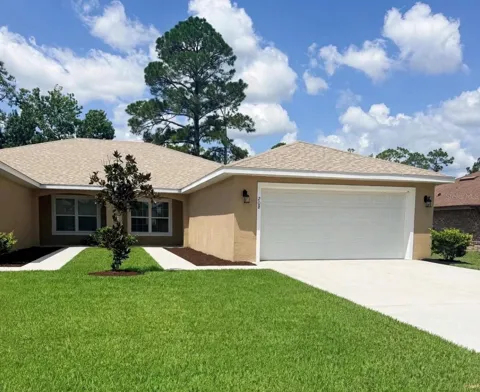
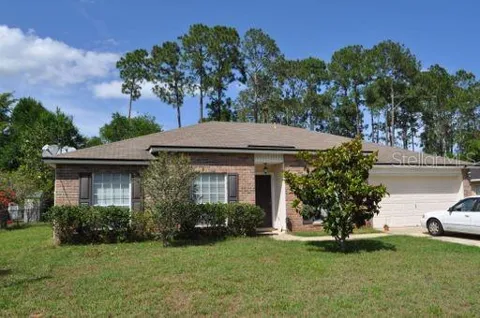
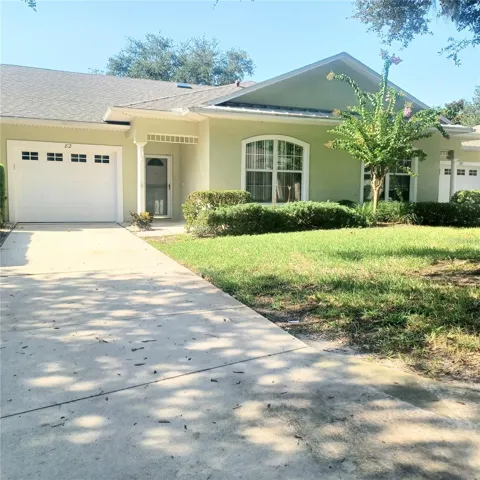
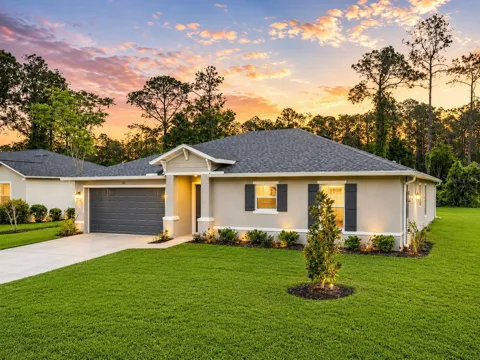
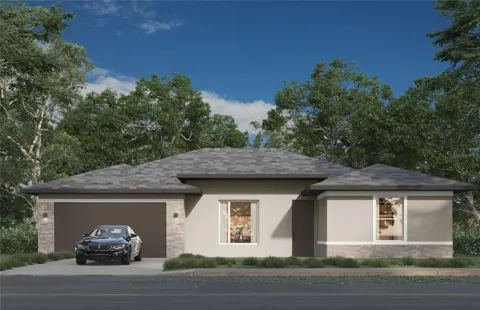
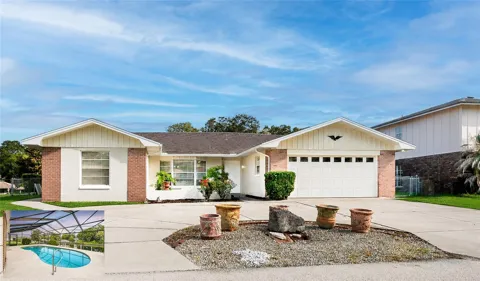
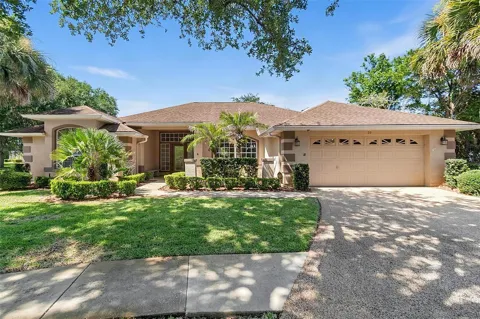
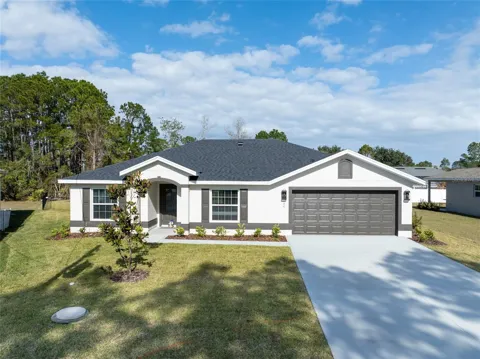
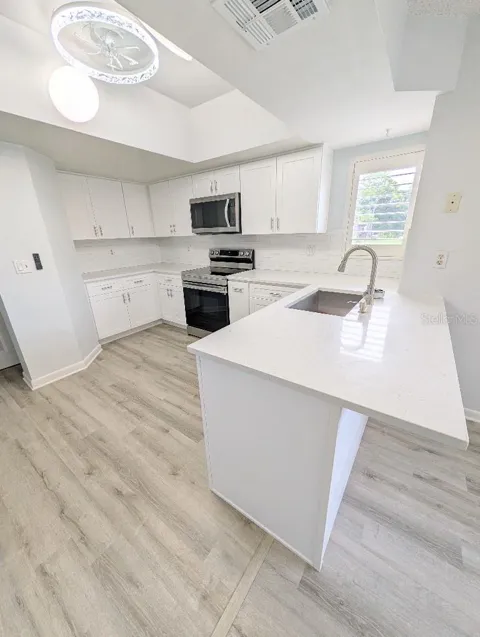
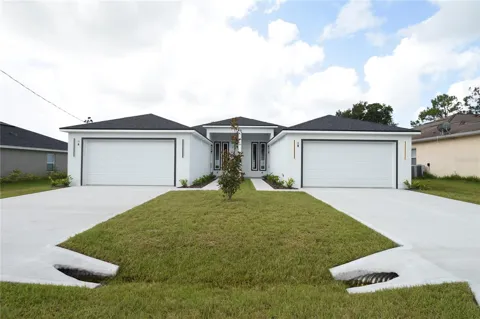
Palm Coast's housing stock reflects its origins as a master-planned community laid out in a single sweeping plan. Single-family homes predominate, and many lots sit on the city's network of freshwater canals, giving a meaningful share of properties canal frontage or water access. Construction spans the original 1970s-era homes in the earliest lettered sections to newer neighborhoods built in the decades since. The coastal Hammock area holds gated, golf, and resort-style communities with larger estate homes and condominiums, while inland sections tend toward more modest single-family neighborhoods on generous lots. Buyers encounter a wide range of lot sizes and home styles across the city's grid of lettered sections, from patio homes and villas to larger properties along the Intracoastal Waterway.
Palm Coast neighborhoods are organized by lettered sections tied to street names — a legacy of the city's master-planned layout — and residents routinely refer to the B, C, F, L, and W sections when describing where they live. These lettered areas carry everyday neighborhood names as well. Indian Trails is among the central, established sections, while Pine Lakes is known for its upscale character and includes the Arlington and Hampton subdivisions along with resort-style condominiums and golf villas. Toward the coast, the Hammock area features gated and golf communities near the Hammock Beach resort, offering ocean-adjacent living. This structure means home shoppers can compare distinct pockets across a compact city rather than a single monolithic housing market.
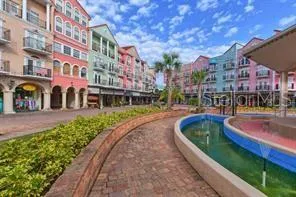
Life in Palm Coast leans on the outdoors and a relaxed coastal pace. Dining runs from casual seafood spots to the European Village, an open-air, European-themed courtyard of shops and restaurants that doubles as a gathering place. Golf is woven into the community through the Hammock Beach Golf Resort and Spa and surrounding courses, and the nearby town of Flagler Beach provides a classic beachfront main-street atmosphere just east of the city. Residents combine these local amenities with easy day trips to historic St. Augustine and the attractions of Daytona Beach, so the lifestyle balances a quiet, nature-oriented home base with access to larger coastal destinations.
Public education in Palm Coast is provided by Flagler Schools, the Flagler County school district. The district operates roughly 13 schools serving about 13,500 students, including multiple elementary, middle, and high schools. The city's two main high schools are Flagler Palm Coast High School and Matanzas High School, both located within Palm Coast. The district has earned recognition for several of its campuses, and its schools anchor the communities they serve. Families relocating to Palm Coast typically evaluate individual school zones across the lettered sections, since attendance areas follow the city's neighborhood geography.
Interstate 95 runs along Palm Coast's western edge and is the backbone of regional travel, linking the city to St. Augustine about 25 miles north and Daytona Beach about 30 miles south. U.S. Route 1 also passes through the area as a parallel local corridor. Palm Coast functions as a bedroom community for those employment centers, and some residents commute farther to Jacksonville, about 62 miles north, or Orlando, about 86 miles southwest. The nearest commercial airports are Daytona Beach International and Jacksonville International. Within the city, the lettered-section street grid and a growing trail network provide local connectivity, though daily errands and most regional trips are car-based.
Recreation in Palm Coast centers on its parks, trails, and coastal access. Washington Oaks Gardens State Park, just north of the city, spans more than 400 acres and combines formal gardens with Atlantic beachfront and coastal hammock. The city's park system includes James F. Holland Memorial Park, with playgrounds, sports fields, dog parks, and the Palm Coast Historical Society museum, as well as Linear Park for passive recreation. A network of multi-use trails connects neighborhoods and parks. The Intracoastal Waterway and the city's freshwater canals support boating, kayaking, and fishing, while Flagler Beach and the Hammock area offer oceanfront beaches and golf a short drive away.
MARKET SNAPSHOT
How homes have been selling here over the last 90 days.
Market data reflects closed sales over the last 90 days and is provided for informational purposes.
EXPLORE COMMUNITIES
Browse the neighborhoods and subdivisions in this area.
BROWSE BY ZIP
Browse listings by postal code in this area.